

Silvo Plus is advancing four innovation streams to test how efficient, drought-resilient farming systems can supply renewable fuel feedstocks while enhancing grazing operations across northern Australia.
NOVEL CROP VARIETIES
Silvo Plus is evaluating how next-generation crop varieties could deliver both environmental and commercial outcomes on marginal grazing land.
Pongamia, a native leguminous oil tree, is our primary focus due to its resilience, nitrogen-fixing capability and oil yield suited for biofuel production. Complementary trials of other potential feedstock species provide a broader view of options for semi-arid conditions.
By comparing crop performance across diverse soil and rainfall zones, Silvo Plus is building agronomic and financial datasets that producers and investors may use to assess future deployment.
1.
Pongamia
Agave
Fodder
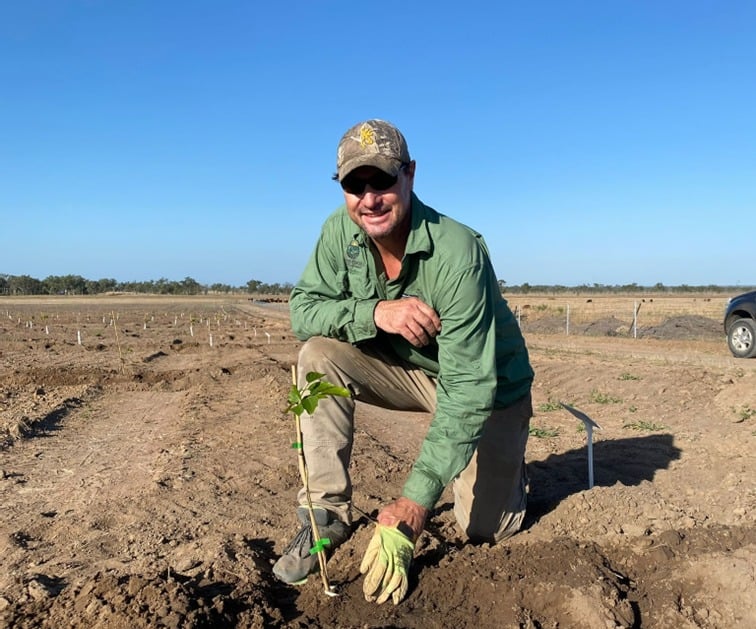
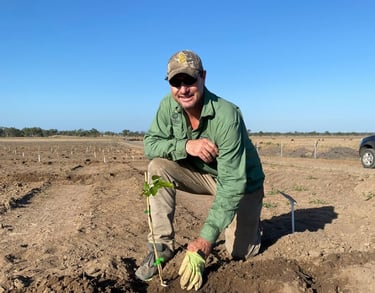
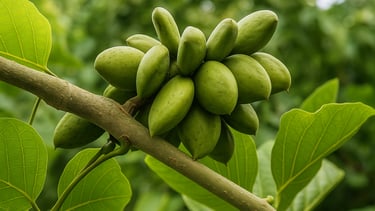
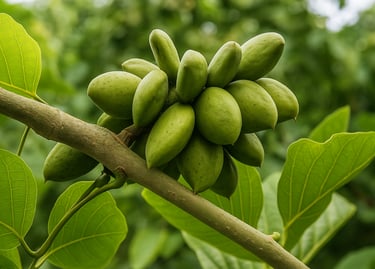
Pongamia (Millettia pinnata) is a hardy, nitrogen-fixing legume tree well suited to Australia’s semi-arid regions. It produces an oil-rich seed that has multiple purposes, where the oil that can be used for renewable fuels, seed meal can be used for animal feed, and the plant system improves soil health and reducing the need for synthetic fertiliser.
Silvo Plus is assessing how improved pongamia genetics perform under northern grazing conditions — including growth rates, water use, soil interactions, and compatibility with cattle systems. With deep roots and a high tolerance for heat and salinity, pongamia offers a practical option for farmers looking to diversify production and restore degraded land while generating long-term economic returns.
Agave is a succulent crop that thrives in extremely dry conditions with minimal water or fertiliser. Traditionally grown for bioethanol, fibre, and feed, it is emerging as a promising low-input biomass source for Australia’s arid and marginal grazing zones.
Silvo Plus is testing multiple agave species to understand how they establish, grow, and regenerate under local conditions. The trials measure biomass yield, resilience to drought, and compatibility with existing pasture systems. Agave’s ability to grow on non-arable land makes it an attractive crop for producers seeking to improve land productivity and carbon outcomes without competing with food production.
Fodder is used to feed domesticated livestock. The Food and Agriculture Organisation (FAO) defines fodder crops as those crops that are cultivated primarily for animal feed. By extension, natural grasslands and pastures are included whether they are cultivated or not.
Fodder crops can be broken into three groups, grasses, legumes and root crops. These crops can be grown in inter-row spaces and are fed to animals, either as green feed, as hay (harvested dry or dried after harvesting) or as silage products. Silvo Plus is looking at whether co-products of biofuel crops such as pongamia seed meal could be used as fodder, to support rural communities across varied sectors.


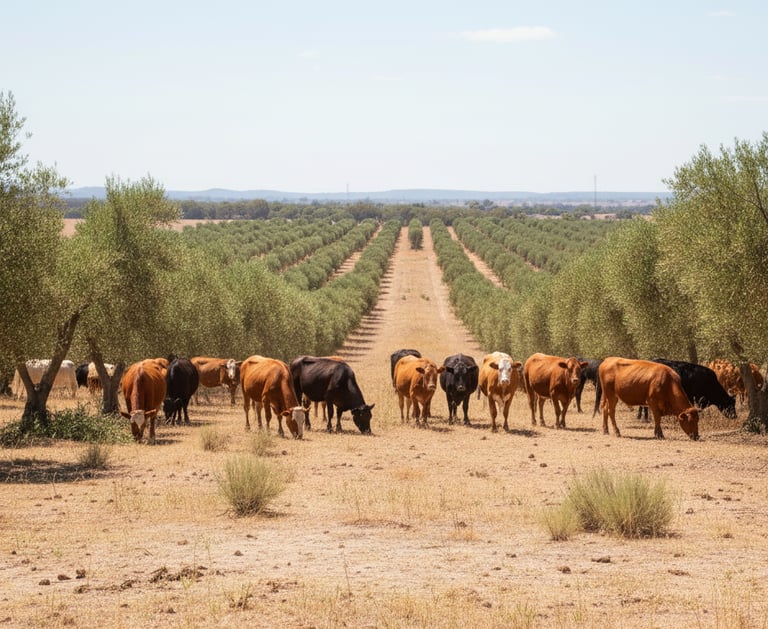
Silvopasture is the integration of trees with livestock, maximising land-use and generating co-benefits for both agricultural practice and environment. It can involve planting trees on grazing land or introducing stock into wooded areas.
Silvo Plus is evaluating how tree crops and livestock may coexist through silvopasture, integrating trees like pongamia into grazing systems to restore productivity on under-utilised or marginal land.
Our trials measure impacts on soil moisture, pasture growth, animal comfort and land condition. By testing different spacings, management regimes and grazing intensities, we aim to identify configurations that are both agronomically sound and economically efficient. This approach supports the possibility of diversified farm income, improved land condition and animal welfare, and delivers long-term carbon and biodiversity benefits.
SILVOPASTURE
2.
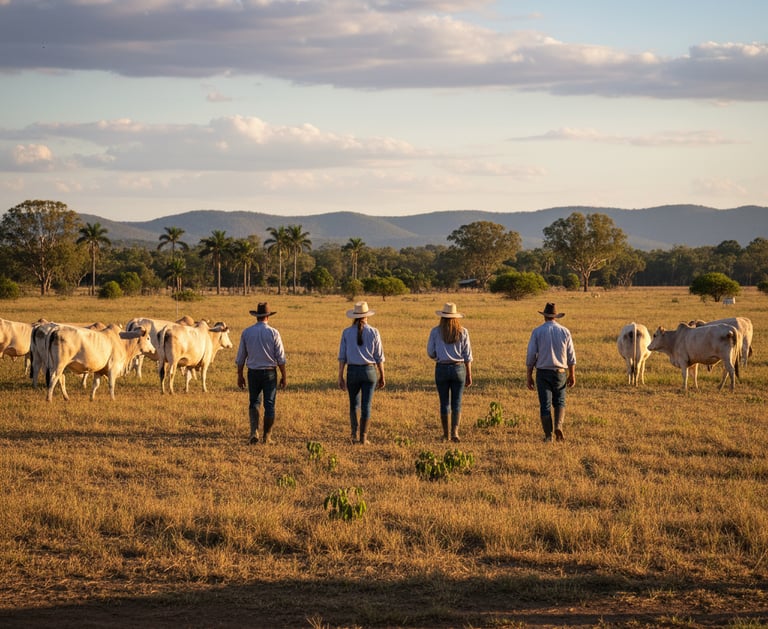
For many producers, drought resilience is no longer about surviving dry periods — it’s about building systems that thrive under variability. Silvo Plus is testing practical pathways for diversification that aim to reduce exposure to rainfall risk while generating new income opportunities.
By combining resilient crops, water-efficient irrigation, and digital monitoring, we’re developing models that aim to maintain productivity and protect groundcover during dry years.
The target outcome is greater financial stability for farmers, stronger regional supply chains, and improved natural capital across grazing landscapes.
DROUGHT RESILIENCE
3.
Scaling sustainable farming systems requires operational models that are efficient, replicable and investable.
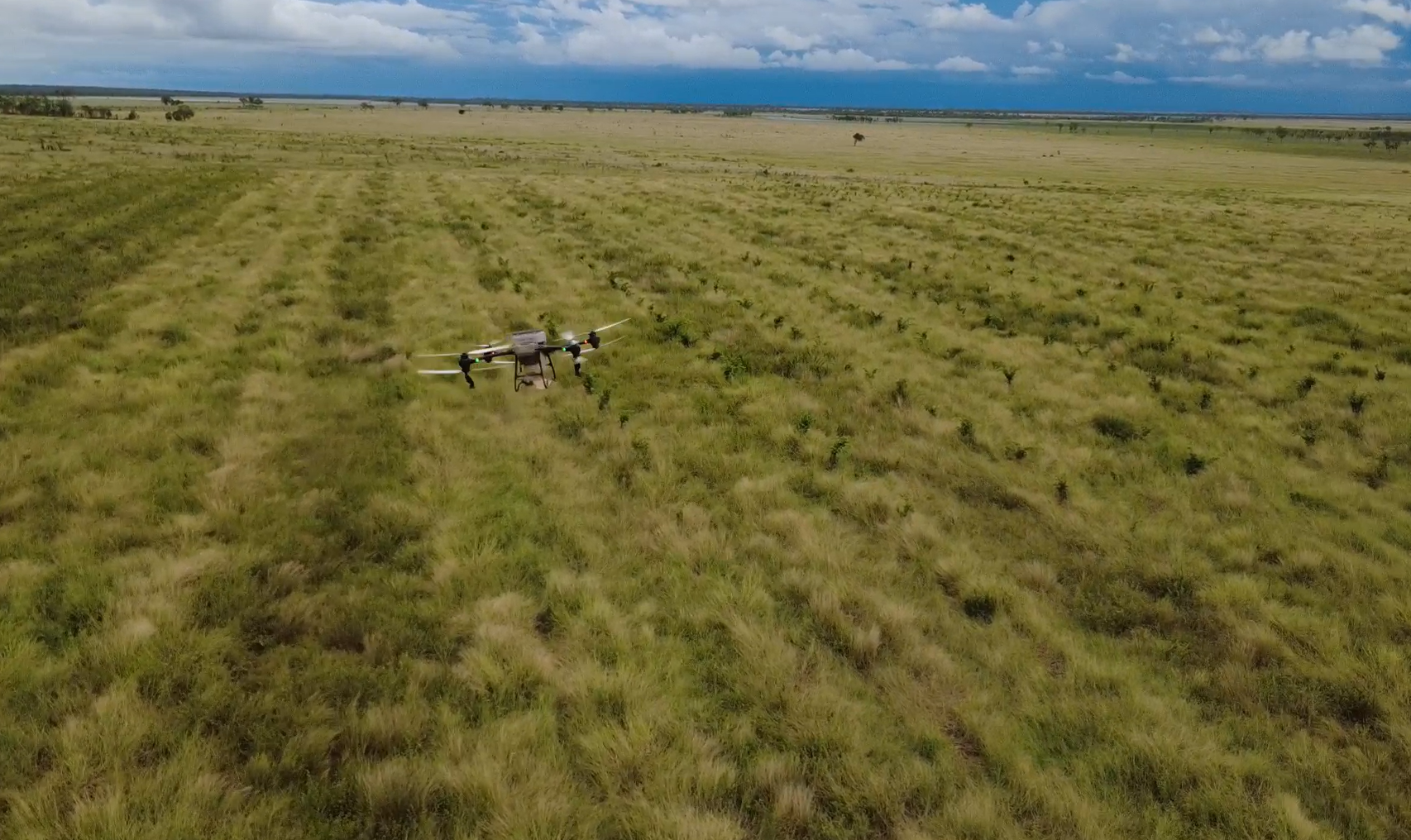
Silvo Plus is assessing practical technologies and management frameworks that aim to reduce establishment costs, streamline operations and maximise yield per dollar invested. This includes smart irrigation systems, soil sensors, remote monitoring and mechanised planting.
We are also testing metrics for natural capital and soil carbon to quantify co-benefits and enhance access to environmental finance. Our aim is to deliver models that are field-tested, data-driven and capable of commercial expansion across regional Australia — subject to on-farm validation, market acceptance and financial viability.
INNOVATION
4.
What is Silvo Plus?
Silvo Plus is an Australian agricultural business working with farmers, landholders, and investors to integrate pongamia and other drought-resilient crops into grazing systems. The goal is to build productive, low-input farming models that strengthen regional economies and supply feedstocks for future sustainable fuel industries.
How does this Project relate to Sustainable Aviation Fuel?
The global aviation industry is transitioning to Sustainable Aviation Fuel, which can reduce emissions by up to 80% compared to conventional jet fuel. Australia currently imports most of its jet fuel, so developing local feedstocks like pongamia creates both economic and fuel security benefits. Silvo Plus is generating the data needed to demonstrate pongamia’s potential as a sustainable feedstock for future SAF production.
Why focus on pongamia?
Pongamia (Millettia pinnata) is a native leguminous tree that produces non-edible oilseeds suitable for conversion into renewable fuels. It fixes nitrogen, improves soil fertility, and grows well in semi-arid conditions with minimal inputs. Its deep roots, heat tolerance, and soil-enhancing properties make it an ideal fit for northern Australian landscapes.
What is silvopasture?
Silvopasture is a land management system that combines trees, pasture, and livestock in the same area to improve land condition, productivity, and resilience. At Silvo Plus, we’re testing how pongamia and complementary species can be established within grazing systems to provide shade, enhance soil health, and diversify income for producers.
FREQUENTLY ASKED QUESTIONS
How long does pongamia take to reach maturity?
We would expect first harvest in year 5, with the plant reaching maturity by year 8
Will livestock eat the pongamia?
Pongamia contains anti-nutritional compounds that make it bitter to herbivores. However, as the seed is processed to remove oils and anti-nutritional compounds, the remaining seed meal can be used as a high protein animal feed.
CONTACT
HEAD OFFICE
Level 10
270 Adelaide St
Brisbane, Australia 4000
© 2025. All rights reserved. Silvo Plus Projects Pty Ltd is a wholly owned subsidiary of Jet Zero Australia Pty Ltd. Silvo Plus is a trademark (registration pending) of the business and is protected under law.
ACN: 691 085 891
hello@silvoplus.com
CONTACT
Get in touch with Silvo Plus to learn more about our projects, opportunities and commitment to advancing new solutions.